Malibu's Pilot Speed Camera System is $1.25 Million Short
The city's failed plan to use solar power for some speed cameras has proven costly.
Holly Bieler · August 8, 2026
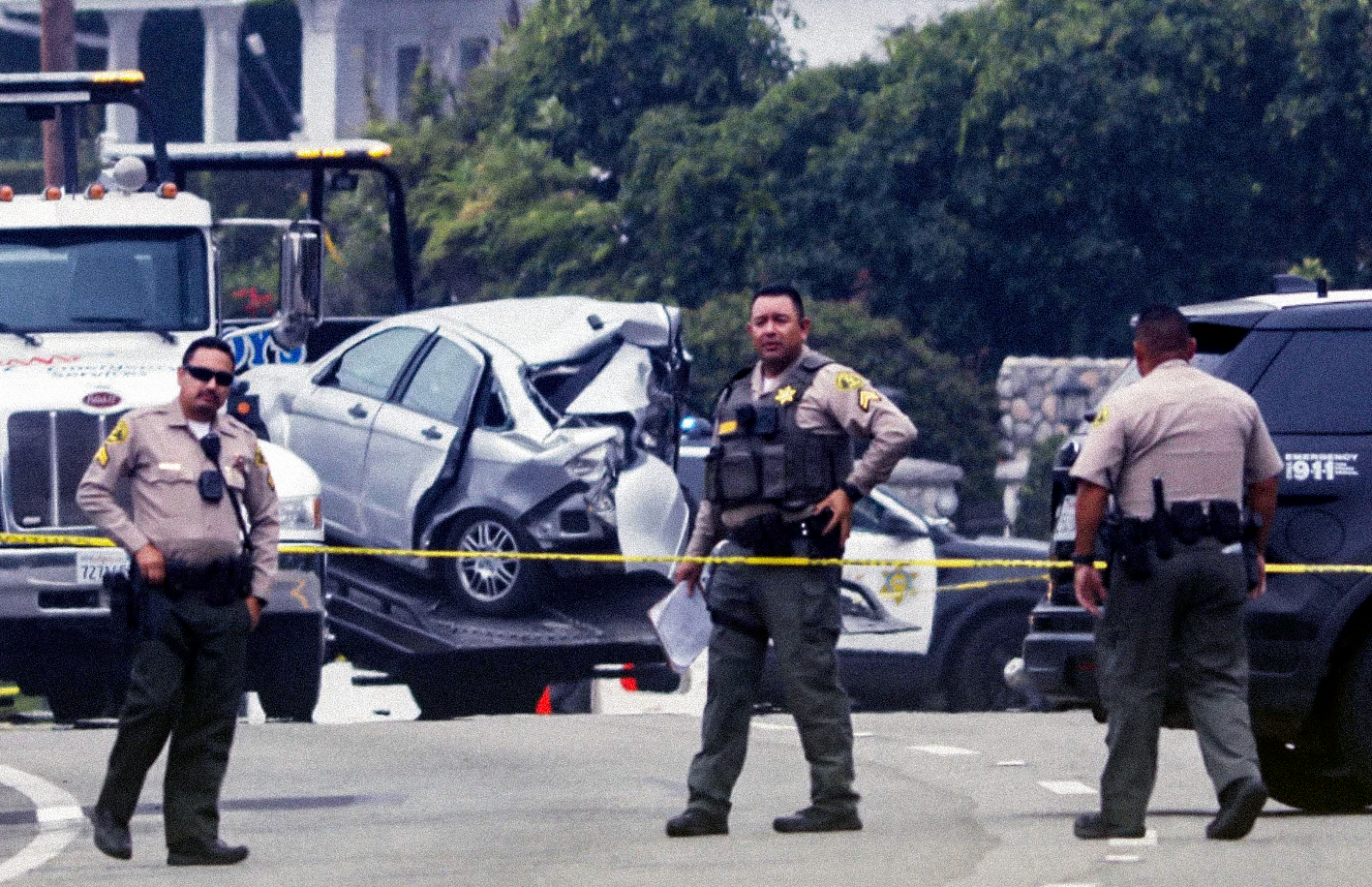
Malibu's long-promised [PCH speed cameras](https://www.stringermalibu.com/article/speeding-cameras-revenue-malibu?from=edition-malibu) will cost an extra $1.25 million to finish, and a City Council subcommittee voted yesterday to recommend pulling the money from the city's general fund, the unrestricted account that pays for day-to-day city operations.
The bulk of the shortfall, roughly $900,000, comes down to electricity. The city built the camera sites' poles and power infrastructure last year, before it had selected a camera vendor, [in order to keep the project on schedule](https://www.smdp.com/malibu-council-approves-dollar16m-for-additional-pch-safety-improvements/).
But when Tennessee-based [Blue Line Solutions](https://www.smdp.com/malibu-sends-speed-camera-contract-back-extends-business-permit-program/) came aboard this spring, its system required hard power at every site, not the solar setup the city had planned for its more remote locations. Edison lines must now be extended to all of the system's infrastructure, which will cost nearly $1 million.
The five cameras, which [recently began installation](https://www.stringermalibu.com/article/speed-camera-construction-pch-malibu?from=edition-malibu) on PCH at Decker Road, Morning View Drive, Latigo Canyon Road, Carbon Beach Terrace and Tuna Canyon Road, are the final piece of the larger [PCH signal synchronization project](https://www.malibucity.org/m/newsflash/home/detail/2014).
The project, a response to a deadly 2023 crash, in which a [speeding driver killed four Pepperdine students](https://abc7.com/post/governor-gavin-newsom-signs-bill-authorizing-speed-cameras-pch-malibu/15364714/), connected a dozen traffic signals along an eight-mile stretch of the highway.
The broader project is funded with $19.1 million from Measure R and Measure M, the county's half-cent transportation sales taxes, which can only be spent on transportation. Total costs for the full project — signal synchronization, a speed-adaptive system and the enforcement cameras — have climbed to roughly $20.6 million, and with the county funds exhausted, the gap falls to the city's own account.
The $1.25 million is effectively a loan the city expects to recoup. Under [the state law authorizing Malibu's cameras](https://abc7.com/post/governor-gavin-newsom-signs-bill-authorizing-speed-cameras-pch-malibu/15364714/), the first dollars of ticket revenue must go toward paying back what the program cost to build — so the general fund would be made whole before any surplus is spent elsewhere.
The alternative, asking Metro for more money, would take about a year and stall a pilot program that expires in 2032. Still, general fund dollars compete with everything else the city pays for, a pointed trade-off as a city forecast projects current spending could [deplete most of that fund within five years](https://www.stringermalibu.com/article/malibu-budget-crisis-after-fires?from=edition-malibu).
Not everyone on the dais was sold.
“I'm not optimistic this is going to really have any material impact on safety, speed, nor do I believe that it's going to at the end of the day a meaningful generator of any revenue,” Mayor Bruce Silverstein said.
However he voted to recommend approval anyway, reasoning that abandoning the project now would mean "all the other money will have been wasted."
The cameras were [originally expected to be ticketing drivers by fall 2025](https://www.smdp.com/malibu-seeks-public-input-on-speed-camera-program-for-pacific-coast-highway/). The appropriation now goes to the full City Council; no new activation date was given at the meeting.