For Select Buildings, Santa Monica Blows Past Its Height Cap
Select "gateway sites" can now be increased up to 130 feet, 50 feet past the limit for downtown.
Malibu Stringer · August 10, 2026 · Santa Monica
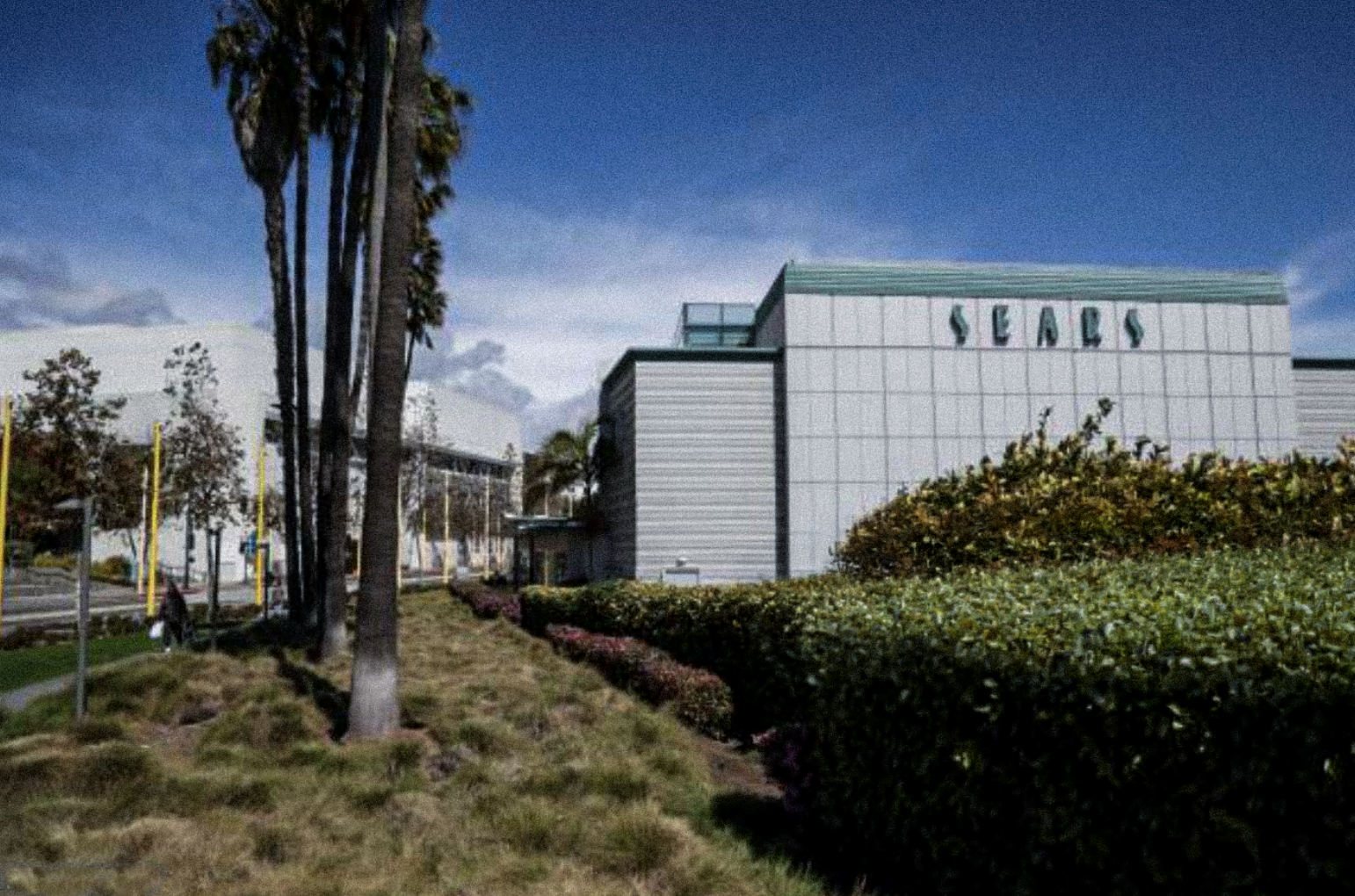
For years, 84 feet was downtown Santa Monica's ceiling, a number fought over through the entire Downtown Community Plan process. On Tuesday, the council [raised it to 130](https://santamonicanext.org/2026/07/council-briefs-ballot-measures-for-smmud-tenant-protections-progress-on-the-civic-punt-on-sb-79-and-more/) at three of the city's most significant sites, and went further still on land the city itself owns.
The ["gateway sites"](https://www.smdp.com/santa-monica-planning-commission-rejects-boulevard-housing-plan-backs-downtown-density/) include the landmark Sears parcel at 302 Colorado, the downtown Expo station property, and the hotel site at the foot of Colorado. Per the City Council's vote, those buildings now get 50% more height, up to 130 feet.
Those allowances don't necessitate the buildings be used for housing, a sticking point for some. However the rationale, per staff, was that not a single non-housing project has even been proposed on the sites since the downtown plan was adopted, and the old caps killed at least one live prospect — a museum, the city manager revealed, whose required sculptural element needed more than 84 feet and "there was no ability for that type of project to move forward."
The council paired the upzoning with guardrails: hotels and other transient lodging are excluded from any fast-track approval (a priority for the hotel workers' union, which warned against streamlining "uniquely in competition with housing"), larger projects still require public hearings or full development agreements, and bigger buildings owe proportionally higher community-benefit fees.
The more sweeping change got less attention: all city-owned downtown parcels are now exempt from the zoning ordinance altogether. Projects there will be shaped instead through negotiated agreements approved by the council itself.
"You are the authority," staff told the mayor. Critics heard something else:
"It's essentially four votes on a Tuesday night," the Wilmont neighborhood chair objected, calling the move a betrayal of years of public planning.
The changes take effect around August 27.